02 Apr 2026
Tags: Balearic Islands, Sustainable Travel, Tourism tax, Heritage, Outdoor Adventure

Marking the tenth anniversary since the launch of the Sustainable Tourism Tax (ITS), the Balearic Islands enter 2026 with a renewed commitment to responsible travel, environmental protection, and cultural preservation. Over the past decade, the ITS has played a key role in funding projects that protect natural landscapes, restore heritage sites, improve public infrastructure, benefit residents, and promote a more balanced tourism model across the islands. Ten years on, visitors to the Balearic Islands can experience the results firsthand through visitor-friendly projects funded in large part through the ITS. In 2026, travellers are invited to discover not only the beauty of the islands, but also the positive impact their visit has on the future of the destination.
Mallorca
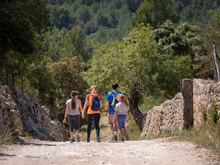
In the region of Calvià, travellers must seek out Finca Galatzó Public Estate, located in the breath-taking UNESCO-listed Serra de Tramuntana. An oasis of protected mountain terrain, centuries-old olive groves and traditional dry-stone buildings dating back to Mallorca's Islamic period, here restored walking routes lie within a carefully preserved environment. To support responsible tourism, €2.1million from the Sustainable Tourism Tax has been dedicated to refurbishing the estate's Ses Porqueres building as an environmentally responsible mountain refuge. Offering 52 beds, shared facilities and multifunctional spaces for educational and cultural events, hikers and nature enthusiasts can rest easy in the tranquil countryside. The estate has also undergone a major restoration of endangered native flora and fauna, including the finca's first Mallorcan-breed calf named 'Torro', reinforcing Galatzó's role as an exemplary model for sustainable tourism, perfect for a fun family day out.
ITS funds have also been invested into a new Mallorcan network of bicycle touring routes linking seven towns in the Raiguer region. The project connects Alaró, Binissalem, Consell, Inca, Lloseta, Marratxí and Santa Maria del Camí through a series of carefully planned cycling routes designed to be safe, clearly signposted, and accessible for active visitors, young and old. These routes will also link with existing trails in nearby areas, granting visitors access to even more countryside, vineyards, and traditional villages on two wheels. Designed to promote year-round travel, the initiative encourages Brits to soak up beautiful scenery, immerse in local culture, and experience a uniquely quieter inland landscape beyond the coastlines.
Formentera
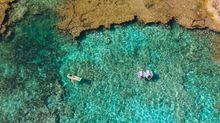
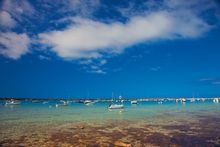
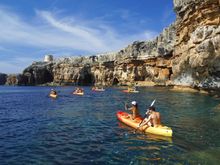
In Formentera, funding from the Sustainable Tourism Tax has enabled the creation of a new water sports centre at Estany des Peix, bringing activities such as sailing, kayaking and diving together in one carefully managed location to help safeguard the area's vulnerable marine environment. As part of a broader strategy to attract visitors beyond the busy summer season and reduce pressure on local communities, the project is designed to lower environmental impact while providing better facilities for residents and travellers alike. Backed by just over €1 million from the sustainable tourism fund, the new centre features modern, accessible infrastructure built to meet increasing demand while remaining meticulously integrated into its environmentally sensitive surroundings. Set against a backdrop of crystal-clear turquoise waters and calm Mediterranean conditions, Formentera's unspoiled coastline, hidden coves, and rich marine life make it perfect for family exploration by boat, paddling along the shore, or diving to discover vibrant underwater ecosystems.
Ibiza
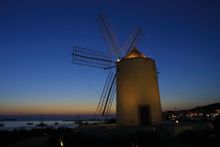
To incentivise travel outside of the summer months, Ibiza has launched a €2.2 million project to restore some of its most iconic heritage sites and turn them into attractions open all year round. Funded through ITS investment, the plan includes the restoration of the Pep Joan windmill, the Portinatx defence tower, and a new museum space at the s'Olivera archaeological site, where remains from the Punic and Roman periods can be explored. By bringing these historic places back to life and creating new interpretation centres, the island is giving its visitors more opportunities to experience Ibiza's rich culture both beyond its infamous beaches and at a more relaxed pace. Whether exploring restored landmarks or stepping into local exhibitions, travellers are invited to discover a different side of the White Isle, where history, nature, and everyday island life blend together to offer a deeper and more rewarding travel experience.
Menorca
Across Menorca, a series of exciting heritage and landscape restoration projects are being brought to life through the Sustainable Tourism Tax initiative. In Mahón, the Rambla defence tower, a protected Spanish site of cultural interest and 18th-century British military structure, has been stabilised and restored so it can be safely preserved as an outdoor museum feature within the natural park landscape. In Ferreries, urgent conservation work has been completed on the Medieval Castle of Santa Àgueda, where a damaged section of the wall was rebuilt using original materials to prevent collapse and protect the remains of one of the island's most important Islamic-period fortifications. The programme also includes the public acquisition of Sa Marina de s'Ermita estate, a rural area of high ecological value which has been restored as a green space for community, educational, and environmental use. Together, these projects give travellers even more reasons to explore Menorca beyond its beaches, offering the chance to discover historic landmarks, protected landscapes, and cultural sites that can be enjoyed year-round while experiencing a more authentic and sustainable side of the island.
Find imagery here.